
The Truth About Charcoal Toothpaste: Is It Safe and Effective?
The Facts About Charcoal Toothpaste and What It Means for Your Teeth
Charcoal toothpaste is one of the latest trends in the dental care industry. If you walk down any drugstore aisle, you’ll see dozens of black tubes promising whiter teeth and fresher breath. Social media influencers swear by it, and friends might recommend it as a natural alternative to traditional whitening products. But does charcoal toothpaste whiten teeth? More importantly, is charcoal toothpaste safe?
Elite Dental of Highland’s patients have been increasingly asking about activated charcoal toothpaste. They want to know whether this trendy product lives up to hype, so we’ve compiled the benefits and risks of charcoal toothpaste so that you can make an informed decision about your dental health in Highland, IN.
What Is Charcoal Toothpaste?
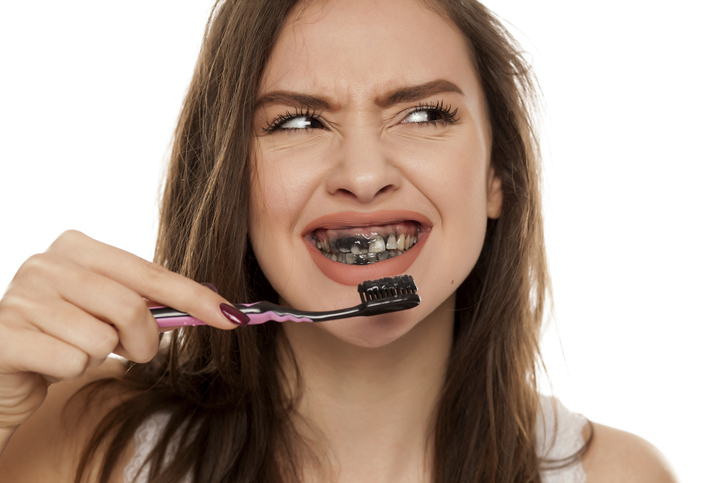
Charcoal toothpaste contains activated charcoal, which is different from the charcoal you use for grilling. Activated charcoal is a fine black powder made from materials like coconut shells, wood, or coal. It’s heated at high temperatures to create tiny pores that can trap chemicals.
Many companies add activated charcoal to regular toothpaste formulas. The result is a black paste that manufacturers claim can remove stains from teeth, whiten your smile, freshen breath, and remove toxins from your mouth. Some charcoal toothpaste products also include fluoride, while others market themselves as natural or fluoride-free alternatives.
The Claimed Benefits of Charcoal Toothpaste
Supporters of charcoal toothpaste say it offers several benefits, including:
- Whitening Power – The most popular claim is that activated charcoal can whiten teeth by removing surface stains from coffee, tea, and wine.
- Natural Detoxification – Some brands suggest that charcoal can pull toxins and bacteria from your mouth, leading to better overall oral health.
- Stain Removal – Manufacturers and fans of activated charcoal say it absorbs particles that cause discoloration, leaving teeth looking cleaner and brighter.
- Fresh Breath – Some users report that charcoal toothpaste helps fight bad breath better than regular toothpaste.
Does Charcoal Toothpaste Really Whiten Teeth?
The truth about whether charcoal toothpaste whitens teeth is complicated. It might make your teeth look slightly whiter in the short term because the charcoal is abrasive and scrubs away surface stains, similar to how a rough sponge can clean a dirty dish. However, the American Dental Association (ADA) has not approved any charcoal toothpaste products for safety or effectiveness. Research on activated charcoal toothpaste remains limited, and existing studies show mixed results. Here’s what we know:
- Charcoal can remove some surface stains temporarily
- It doesn’t change the natural color of your teeth
- It won’t whiten teeth that are naturally yellow or discolored from within
- The whitening effect is less powerful than professional whitening treatments
The abrasive nature of charcoal is both its strength and weakness. While it scrubs away stains, it can also wear down your tooth enamel over time.
Are There Safer Alternatives to Teeth Whitening?
Elite Dental of Highland offers professional whitening options that deliver results without risking your dental health. Our team will recommend the best approach based on your teeth’s current condition and your whitening goals. If you want whiter teeth, you have several proven options that are safer than charcoal toothpaste:
- Professional Whitening Treatments – Your dentist can provide in-office treatments that safely brighten your smile by several shades. Professionals monitor these treatments and use ingredients that won’t damage your enamel.
- Whitening Toothpaste With ADA Approval – Look for whitening toothpastes that carry the ADA Seal of Acceptance. These products have been tested for safety and effectiveness.
- Custom Whitening Trays – Your dentist can create custom trays for at-home whitening. This method is safe, effective, and tailored to your specific needs.
- Good Oral Hygiene – Sometimes, the best whitening comes from simple practices like brushing twice daily, flossing, and getting regular dental cleanings.
Risks and Concerns: Is Charcoal Toothpaste Safe?
Users need to know that there are potential risks associated with using charcoal toothpaste. Among the concerns dental professionals have about these products are:
- Enamel Erosion – Can charcoal damage enamel? Yes, and this is the most significant worry. Charcoal toothpaste is highly abrasive. Regular use can wear away your tooth enamel, which doesn’t grow back. Once enamel is gone, your teeth will become more sensitive and vulnerable to cavities.
- Lack of Fluoride – Many charcoal toothpastes don’t contain fluoride, which helps prevent tooth decay and strengthens enamel. Using a fluoride-free toothpaste long-term can increase your risk of cavities.
- Gum Irritation – The rough texture of charcoal can irritate your gums, especially if you brush too hard. This may lead to gum recession over time.
- Staining – Charcoal products can become trapped in cracks, fillings, or dental work, causing dark spots or stains in these areas.
- Unproven Claims – Without ADA approval or strong scientific backing, you’re taking a risk when you use these products. The benefits might not outweigh the potential harm.
- Messy Application – While not a health risk, charcoal toothpaste can be messy to use and may stain your sinks, countertops, and clothing.
Contact Our Dental Team in Highland, IN, Today
Choosing the right toothpaste is an important part of your oral health routine. While charcoal toothpaste might seem like an exciting new option, the risks often outweigh the benefits. The lack of ADA approval, potential for enamel damage, and limited scientific evidence make it a questionable choice for long-term use.
However, if you’re concerned about your teeth’s color and want to explore safe whitening options, Elite Dental of Highland can help. We’ll assess your teeth and recommend cosmetic dental treatments in Highland, IN. Contact us today to schedule a consultation.